
What is melasma and why can't it be eliminated with topical cosmetics alone?
Il melasma è una forma complessa di iperpigmentazione caratterizzata da alterazioni anatomiche e patogistologiche negli strati profondi della pelle. Questi cambiamenti includono:
- increase in active melanocytes
- melanin deposition in the dermis
- chronic inflammation
- basement membrane damage
For this reason, no topical cream can completely eliminate melasma, especially in deep-seated forms. Advanced cosmetics can reduce melanocyte activity, improve radiance, and prevent recurrence, but they cannot completely reach the dermal melanin deposits.
Why you should avoid hydroquinone as a long-term treatment
Hydroquinone was the standard of care for years, but is now banned in Europe due to risks of irritation, rebound, and ochronosis.
Further information:
Modern protocol: combining laser, photoprotection and advanced topicals
1. Laser and light: the most effective treatments for melasma
PicoSure - the first FDA-approved picosecond laser for melasma
The PicoSure laser is considered one of the most effective treatments for deep and dermal forms.
It works by fragmenting melanin with very short pulses, reducing the risk of inflammation and rebound.
BBL and IPL - ideal for skin types
Pulsed light technologies (BBL, IPL) are effective on superficial forms, where melanin is concentrated in the epidermis.
Further information:
- Facial photorejuvenation after IPL
HALO (Sciton) - excellent for mixed and deep forms
The HALO non-ablative fractional laser combines two wavelengths to simultaneously treat the epidermis and dermis, making it ideal for mixed melasma.
2. Daily photoprotection: the cornerstone of treatment
Sun protection is essential to prevent recurrence.
Recommended mineral filters and formulas for sensitive skin:
- Sunscreen SPF 50
Daily sun protection to prevent melasma - Physical sunscreen SPF 30
Soothing sunscreen for sensitive skin
3. Systemic therapy: support from within
Modern management of melasma also includes systemic support.
One example is GliSODin Brightening, which in clinical studies has been shown to increase the effectiveness of Kligman’s formula in treating hyperpigmentation by 30%.
Why Lumicor is the first modern alternative to Kligman's formula
The traditional Kligman formula combines hydroquinone, tretinoin, and corticosteroids.
Today, thanks to advances in cosmetic dermatology, there is a hydroquinone-free alternative that is more tolerable and suitable for prolonged use: Lumicor.
Next-generation key ingredients
- Tranexamic acid - reduces melanocyte activity
- Cetyl tranexamate mesylate - more stable lipophilic form
- Niacinamide - improves the skin barrier
- Tetraidrocurcumin - powerful anti-inflammatory
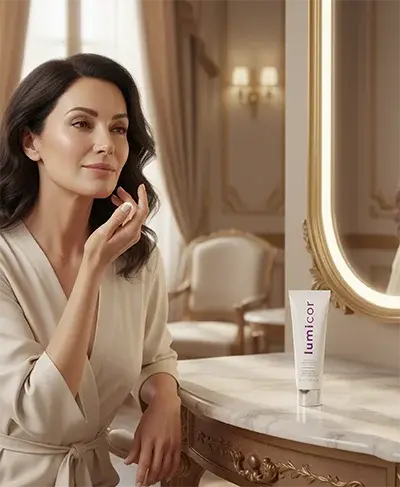
Why it is superior to traditional alternatives
- does not contain hydroquinone
- does not cause rebound
- can be used all year round
- multi-level formula that acts on inflammation, melanin and skin barrier
- ideal as maintenance after PicoSure, BBL, IPL, HALO laser
Recommended full protocol (without hydroquinone)
Phase 1 - Professional treatment
- PicoSure for deep melasma
- BBL/IPL for epidermal melasma
- HALO for mixed melasma
Phase 2 - Topical maintenance
- Lumicor (continuous use)
- SPF 50 every morning
- SPF 30 for moderate exposure
Phase 3 - Systemic support
- antioxidant supplementation (e.g. GliSODin Brightening)
Phase 4 - Prevention of relapse
- avoid heat and UV
- soothing post-laser skincare
Epicalm Plus (post laser)
Conclusion
Melasma requires a combined approach: laser, rigorous photoprotection, systemic therapy, and advanced topicals.
Lumicor today represents the first modern alternative to the Kligman formula, safe, hydroquinone-free and compatible with professional treatments.